Windows in Caerphilly & Cardiff: A-Rated Double Glazing
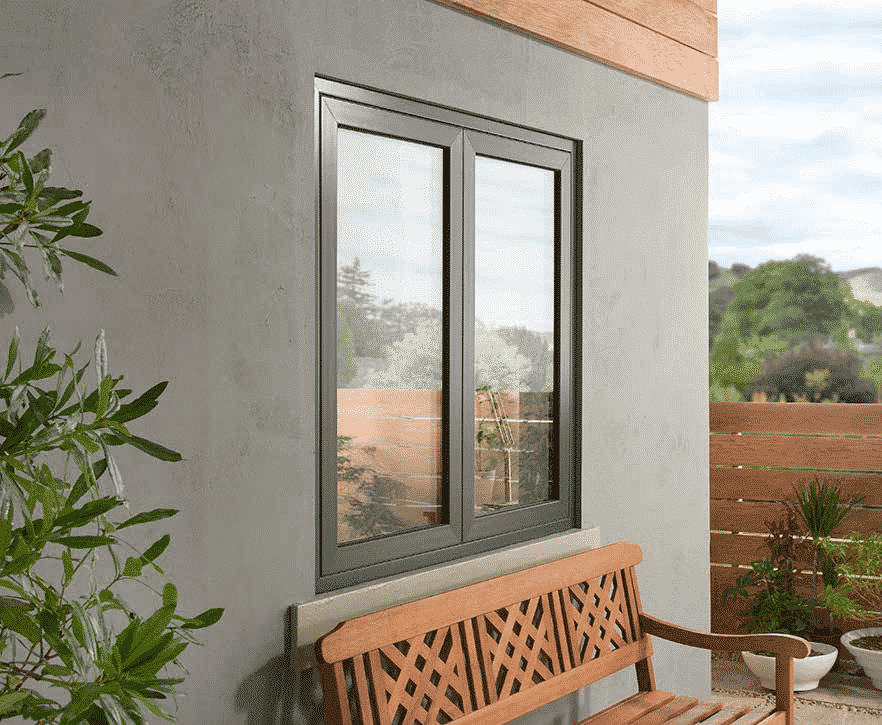
Daimant fits A-rated replacement windows and double glazing across Caerphilly and Cardiff: casement, flush sash, vertical sliding sash and tilt and turn. The best window for your home depends on your goal. Match your goal to a window below, then read the child page, or book a free survey and we will advise on site.

Will new windows improve my EPC and cut heat loss?
Yes, and this is the goal that suits most homes, which is why A-rated casement windows are the style we fit most. Old single glazing has a U-value near 5.0 W/m²K, tired 1990s double glazing sits around 3.1, and our A-rated units come in near 1.2. The lower the U-value the less heat escapes, so replacing single glazing with A-rated units roughly quarters the heat lost through the glass and often nudges an EPC up by a band or more.
The rating to look for is the Window Energy Rating, or WER, a traffic-light scale where A and A+ are the best. We reach it with a warm-edge spacer around the glass, argon gas in the cavity and a low-emissivity coating that reflects heat back into the room. All of it meets Part L 2022 for replacement windows, and because we are FENSA registered we register the work so it counts towards your home's energy assessment. For the full detail on ratings and glazing, see our casement windows page.
Traffic-light scale, A and A+ are the best; our units reach it on every style
Reduces cold-edge condensation and keeps the inner pane warmer
Denser than air, slows heat transfer across the cavity
Reflects room heat back in while letting solar warmth through
What are the best windows for a period or conservation home?
For older houses, the goal is usually to keep the character while gaining modern warmth and security, and two styles do that. A flush sash window sits level with the frame, the way a timber casement did, with a mechanical joint and a woodgrain foil in heritage shades such as Chartwell Green or Agate Grey. It suits cottages, barn conversions and homes in conservation areas, and it often passes where a standard casement would look wrong.
A vertical sliding sash window is the answer for a Victorian or Edwardian frontage. Modern uPVC sashes slide on a spiral or balance mechanism, tilt in for cleaning and do not rattle the way old timber sashes did, yet they keep the slim sightlines, sash horns and Georgian bar options that make the front of a period house look right. Both are A-rated and built to PAS 24, so heritage looks do not cost you warmth or security. Compare the two on our flush sash windows and sliding sash windows pages.
In many conservation areas the answer is yes, provided the style, sightlines and glazing bars match the original. Flush sash and vertical sliding sash windows are designed for exactly this, and we have fitted them across Cardiff conservation areas such as Pontcanna and in Penarth. Where an Article 4 direction or a listed building is involved the rules tighten, so we will flag anything that needs consent at survey rather than leaving you to find out later.

Sits level with the frame, mechanical joint and woodgrain foil in Chartwell Green, Agate Grey and more. Often passes where a standard casement would look wrong.
Slim sightlines, sash horns and Georgian bars, tilts in for cleaning, runs silently on a spiral or balance mechanism, no rattle.
Heritage looks do not cost you warmth or security. Both styles meet Part L 2022 and pass the enhanced security standard as a complete window.
What are the best windows for a flat or an upstairs room?
For a flat, an apartment or a bedroom above the ground floor, the practical concerns are venting safely and cleaning without leaning out, and a tilt and turn window answers both. Tilt the top in for secure night ventilation with the window still locked in place, or turn it fully inward on the side hinge to clean the outside glass from inside the room, which matters when there is no safe way to reach the outside.
Tilt and turn windows also suit high-rise and apartment living because they can be specified with restrictors for child safety and, where a room needs a means of escape under Building Regulations Document B, to open wide enough to count as egress. They are A-rated and PAS 24 like the rest of the range, so a Cardiff Bay apartment or a Newport flat gets the same warmth and security as a house. See the detail on our tilt and turn windows page.

Do new windows stop condensation and draughts?
They cut both sharply. Draughts come from worn seals and shrunken timber, and a new window closes them with compression and brush seals that pull tight when you lock the handle, so the cold air that used to track across the floor stops. That alone makes a noticeable difference in an older Caerphilly or Cardiff home on a windy night.
Condensation on the inside of the glass forms when warm, damp air meets a cold surface. A warm-edge spacer and low-E glass keep the inner pane much warmer than old glazing, so it rarely dips below the point where moisture forms. New windows will not cure damp caused by poor ventilation elsewhere, and trickle vents, which Part L now requires on most replacements, keep a healthy air change without throwing a window open. We set the vents up so the room breathes without feeling draughty.

The cold air that used to track across the floor stops, a noticeable difference in an older Caerphilly or Cardiff home on a windy night
The inner pane rarely dips below the point where moisture forms, morning misting largely clears
Part L now requires trickle vents on most replacements. We set them up so the room breathes without feeling draughty.
uPVC or aluminium windows?
For most homes across Caerphilly and Cardiff, uPVC is the sensible choice. It insulates well, needs no painting, carries the full range of colours and woodgrain foils and reaches A or A+ ratings at a lower price, which is why the great majority of our windows are uPVC. It is the material behind the casement, flush sash, sliding sash and tilt and turn styles on this hub.
Casement, flush sash, sliding sash and tilt and turn
Slimmest sightlines, largest panes, powder-coated finish

We will give an honest steer on site rather than pushing the dearer frame by default.
What does double glazing cost in Caerphilly and Cardiff?
Window prices depend on the style, the size and the glass, so treat these as guide bands. As a rough steer, a supplied and fitted A-rated uPVC casement window runs from around £450 to £850 each. Flush sash windows sit a little above that for the heritage detailing, and vertical sliding sash windows from around £900 to £1,400 each because of the more complex mechanism. Tilt and turn windows fall between the casement and sash figures.
The more windows you do at once, the better the value per opening, and a whole-house replacement is usually quoted as a package rather than a simple multiple. Each price includes removing the old window, fitting the new frame square and sealed, making good and clearing the waste. Because the right figure depends on your exact openings, we give a fixed written quote after a free survey. To narrow it down, start on the casement windows page for the standard style, then compare the heritage and tilt and turn options.

A-rated uPVC, per window
Heritage detailing adds to the price
More complex mechanism, per window
Depends on size and glass specification
FENSA, guarantees and fitting across your area
We are a FENSA-registered installer, so we self-certify every window against the Building Regulations and register the work for you, and you receive the certificate a buyer's solicitor will later ask for. Every window is backed by a written guarantee, and your deposit is protected through an insurance-backed scheme.
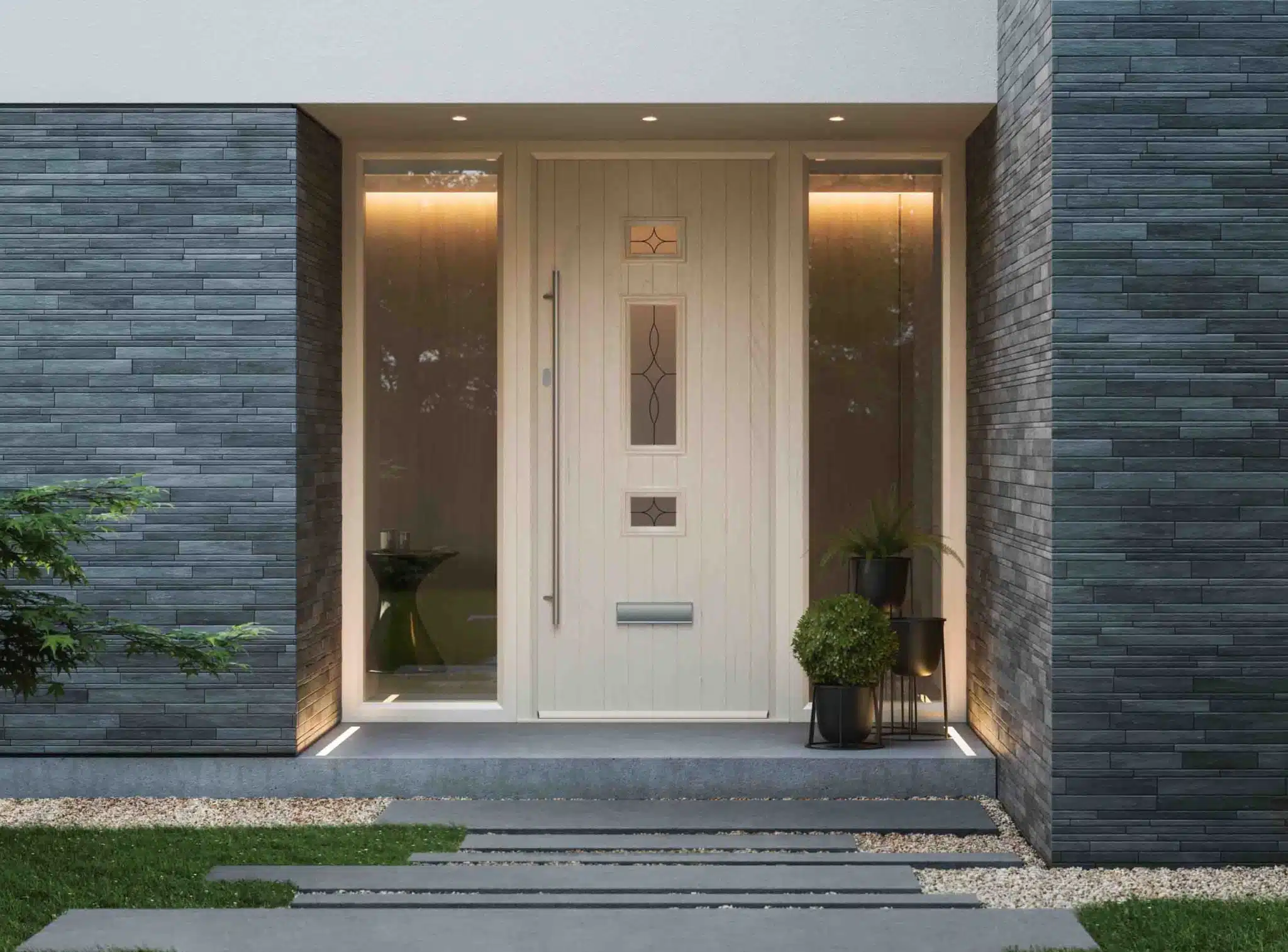
As a Caerphilly family firm with more than 20 years of experience, we fit with our own teams across Caerphilly, Cardiff, Penarth, Llanishen and the wider Valleys, never subcontracting the install. If you are updating doors at the same time, our doors hub explains the options, and if you are thinking about a warmer garden room, our conservatories page shows how the glazing ties together. Whatever the mix, one team surveys, supplies and fits it all.
Self-certified against Building Regulations, no council, certificate ready for your solicitor
We stand behind the work long after the invoice
Your money is safe even if something goes wrong before the fit
We fit across Caerphilly, Cardiff, Penarth, Llanishen and the Valleys. One team surveys, supplies and fits it all.
Worked Examples
A Llanishen 1970s semi and a Victorian terrace in Penarth.


A 1970s semi in Llanishen, Cardiff
A family in Llanishen had draughty 1990s double glazing and a chilly living room, and they wanted a warmer house and a better EPC before selling. We surveyed the whole house and specified A-rated uPVC casement windows throughout, with a warm-edge spacer, argon fill and low-E glass, bringing the glazing from a U-value around 3.1 down to about 1.2.
The living room stopped feeling cold near the bay, the condensation that used to mist the mornings largely cleared thanks to the warmer inner pane, and the FENSA-registered work was logged so it counted towards the updated energy assessment. Quoted as a whole-house package, the price per window came in below the single-window guide, which is the usual reward for doing the lot at once.
Warmer living room, condensation cleared, EPC improved. Price per window below the single-window guide, the usual reward for doing the lot at once.
A Victorian terrace in Penarth
A homeowner in Penarth, in a conservation area, wanted to lose the rattle and draughts of the original timber sashes without spoiling the frontage. Standard casements would have looked wrong on a Victorian terrace, so we matched the front elevation with vertical sliding sash windows in a heritage colour, with slim sightlines, sash horns and Georgian bars to mirror the originals.
Because the units are A-rated and run on a modern balance mechanism, the house gained warmth and quiet while keeping the period look a conservation officer would expect, and they tilt in for easy cleaning from inside. At the back, out of sight of the street, we fitted flush sash windows to keep costs sensible while holding the same character. The frontage looks right and the whole house is warmer.
Frontage looks right, whole house is warmer. Period look a conservation officer would expect, rattle and draughts gone.