Vertical sliding sash windows fitted by Daimant in Cardiff and Caerphilly
Sash horns & slim sightlines
A-rated 1.2 to 1.4 W/m²K
Tilt-in easy clean both sashes
PAS 24 & FENSA registered
Cardiff, Penarth & Caerphilly

Vertical Sliding Sash Windows in
Cardiff and Caerphilly

Daimant fits uPVC vertical sliding sash windows in Cardiff and Caerphilly, keeping the look of a period front with A-rated glazing, tilt-in cleaning and our own fitting team.

Caerphilly Showroom
Conservation area advice included
Acoustic glazing available
Sash horns
Victorian & Edwardian detail
A-rated
1.2 to 1.4 W/m²K whole window
Tilt-in clean
Both sashes from inside
PAS 24
Multi-point locking, sash restrictors
FENSA
Registered installer
About This Page

Yes, you can usually fit a modern uPVC vertical sliding sash window in a Cardiff conservation area, provided it copies the proportions, sash horns and slim sightlines of the original timber box sash. The profile matters more than the material to most conservation officers, and a well specified sliding sash reads as period joinery while giving you A-rated glass and modern locking.

We fit vertical sliding sash windows across Pontcanna, Cathays, Penarth, Cyncoed and the wider Cardiff and Caerphilly area, streets where the box sash is part of the character. Below we set out what conservation officers accept, when you need consent, why modern sashes do not rattle, and how sliding sash compares to a casement. If you already know this is the window for you, book a free survey and we will check the planning position for your address.

Key Takeaways
  • In most conservation areas a uPVC sliding sash is accepted when it matches the original proportions, sash horns and slim sightlines.
  • An Article 4 direction can remove permitted development rights, so some Cardiff streets need planning consent even for like-for-like changes.
  • Listed buildings need listed building consent and usually timber or an approved slim alternative.
  • Modern sliding sashes run on spiral or constant force balances and use brush seals, so they glide, seal tight and do not rattle.
  • You can tilt both sashes inward to clean the outside from inside, which matters on upper floors.
  • A-rated and acoustic glazing options cut heat loss and traffic noise on busy Cardiff roads.
Free, No Obligation
Check your conservation position for free

We will survey your home, confirm whether your street carries an Article 4 direction and show you sash horn and glazing options that suit the property.

What conservation officers look for
Original proportions & glazing pattern Match the vertical sliding action and glazing bar layout of the timber original
Sash horns & slim sightlines Run-through horns and narrow frames copy the timber look at close range
Set back in the reveal The window must sit at the same depth as the original, not proud of the wall
Cardiff suburbs where sash matters
Pontcanna Cathays Penarth Cyncoed
Our Cardiff team knows the tightest streets
Conservation Areas

Can you fit uPVC sliding sash windows in a Cardiff conservation area?

Answer

In most cases yes, but it depends on the street and the detailing. Cardiff has several conservation areas, and areas of Pontcanna, Cathays and Penarth fall within them, along with parts of Cyncoed and the older suburbs. Conservation officers judge a replacement on how faithfully it copies the original: the vertical sliding action, the slim frames, the sash horns, the glazing bar pattern and the way the window sits back in the reveal.

Get those right and a modern uPVC sash usually satisfies the council because from the street it looks like the timber box sash it replaces. Get them wrong, with chunky frames and no horns, and it will be refused. This is why specification matters so much on a sash window, and why we survey and advise before we ever place an order.

Cardiff suburbs where sash matters

Pontcanna and Cathays terraces, Penarth villas and the older streets of Cyncoed were largely built with box sash windows, so a casement can look wrong on them even where planning allows it. A sympathetic sliding sash keeps the rhythm of the street. Our Cardiff team knows which roads carry the tightest controls.

Planning Rules

Do you need planning permission for sash windows?

Answer

Outside a conservation area, replacing windows is normally permitted development and needs no application, as long as the new windows are similar in appearance. Inside a conservation area the picture changes. Many are covered by an Article 4 direction, which removes some permitted development rights so that even a like-for-like change of material or appearance can need planning consent.

Listed buildings are stricter again. Any alteration to a listed home usually needs listed building consent, and councils generally expect timber or a slim, approved alternative rather than standard uPVC. We tell you which category your property sits in before you commit, so you are never left holding windows you cannot lawfully fit.

We handle the checks

During your free survey we confirm the conservation status of your address and flag any Article 4 direction, then specify the window to suit. If your home turns out to need timber, we will say so rather than sell you something the council will reject.

Planning status guide
No conservation area

Usually permitted development, no planning application needed for like-for-like replacement.

No application
Article 4 direction

Consent may be needed even for like-for-like changes. We confirm the position for your street.

Check first
Listed building

Listed building consent required, timber often expected by the council.

Stricter rules
Included in your free survey

We confirm your conservation status, flag any Article 4 direction and specify the right window. If your home needs timber, we will say so rather than sell you something the council will reject.

Then vs now
Old timber sash

Cords and weights, sash shifts in a loose frame, panes drum in wind

Rattles & draughts
Modern uPVC sash

Balances and brush seals, glides, holds position, seals tight

Silent & draught-free
What makes the difference
Spiral or constant force balances Hold the sash firmly at any height, nothing to snap or restring
Brush pile seals Line the guides and meeting rail, close the gaps that caused old sashes to shudder
One-handed glide Stays exactly where you leave it and seals tight against wind and rain
Noise & Draughts

Do modern sliding sash windows rattle?

Answer

No. The rattle people remember comes from old timber sashes hung on cords and weights, where the sash could shift in a loose frame and the panes drummed in the wind. A modern vertical slider works on a completely different mechanism, so that movement is gone.

Today's sashes run on spiral balances or constant force balances built into the frame, which hold each sash firmly at any height. Brush pile seals line the guides and meeting rail, closing the gaps that let old sashes shudder and let draughts through. The result glides open with one hand, stays exactly where you leave it and seals tight against wind and rain.

Balances and seals

Spiral and constant force balances replace the old cords and weights, so there is nothing to snap or restring. The brush seals also cut noise and draughts, which is why the modern sash feels so different from the timber original it replaces.

Heritage Detailing

How do they get the heritage look right?

Answer

The heritage look is a stack of small details, and missing any one of them breaks the effect. Sash horns are the curved timber-style projections at the base of the upper sash, a hallmark of Victorian and Edwardian joinery, and a good uPVC sash includes proper run-through horns rather than stuck-on stubs. Slim sightlines keep the frames narrow so the window does not look bulky.

Astragal or Georgian bars recreate the divided-light pattern of the original, whether that is a simple two-over-two or a finer Georgian grid. Deep bottom rails, a putty-line bead and a woodgrain foil in a heritage colour finish the picture. Specified together, these details are what let the window pass on a period street and satisfy a conservation officer.

Run-through sash horns that copy Victorian and Edwardian joinery.
Slim sightlines for narrow, authentic-looking frames.
Astragal or Georgian bars to match the original glazing pattern.
Heritage woodgrain colours such as cream, Chartwell Green or Anthracite.
Heritage vertical sliding sash window detail fitted by Daimant in Cardiff
Every detail counts
Horns, bars & slim sightlines
A-rated vertical sliding sash window with acoustic glazing fitted by Daimant in Cardiff
Whole-window U-value
1.2 to 1.4
W/m²K, A-rated, Part L
Warmth & Noise

Are they warm, and can they cut traffic noise?

Answer

Yes to both. A Daimant sliding sash reaches an A Window Energy Rating with a warm-edge spacer, argon fill and a low emissivity coating, giving a whole window U-value in the region of 1.2 to 1.4 W/m²K and meeting Part L. Older sash homes usually leak heat badly through single glazing near 5.0, so the change in comfort and heating bills is significant.

Because many sash streets sit on busier Cardiff roads, acoustic glazing is a popular upgrade. A laminated acoustic pane, sometimes with an asymmetric double glazed unit, damps traffic and street noise noticeably, which suits Cathays and the roads around the city. Security is tested to PAS 24 with multi-point locking and sash restrictors, so heritage looks do not weaken the window.

Comfort without losing character

You keep the period appearance while gaining modern comfort: warmer rooms, less condensation, quieter interiors and better security. If bills are your main concern, weigh the glass options on our windows hub before you decide.

Performance features
Warm-edge spacer bar Cuts cold bridging at glass edge, stops condensation starting there
Acoustic laminated pane Damps traffic and street noise, popular on busier Cardiff roads
Argon gas fill Slows heat movement across the sealed unit cavity
PAS 24 & sash restrictors Multi-point locking, heritage looks do not weaken security
A-rated & Part L compliant Meets current Building Regulations for replacement windows
Cleaning & Maintenance

How easy are they to clean and maintain?

Answer

Much easier than the timber originals. Both sashes tilt inward on a modern slider, so you can clean the outside of the glass from inside the room. On a first-floor bay in a Penarth villa or a three-storey Cathays terrace, that removes the need for ladders and makes the windows far safer to keep clean.

There is no painting, no cord restringing and no swelling in wet weather. A wipe of the frames and a light lubrication of the balances now and then is all the upkeep they need. That low maintenance is a large part of why owners of period homes move from timber to a sympathetic uPVC sash.

Tilt-in cleaning

The tilt-in feature is a genuine safety and convenience gain on upper floors. Both sashes rotate inward within the frame so every pane is reachable from inside, which matters on the taller frontages common in Cardiff and Penarth.

No timber headaches
No painting ever needed

A wipe with a damp cloth keeps the frames looking new, no sanding, priming or recoating cycle.

No cord restringing

Spiral balances replace the old cords and weights, nothing to snap or fail over time.

No swelling in wet weather

uPVC does not absorb moisture, so sashes glide freely summer and winter without sticking.

Tilt-in feature
Both sashes clean from inside

Both sashes rotate inward within the frame so every pane is reachable without ladders, a genuine safety gain on the taller frontages common in Cardiff and Penarth.

Comparison

Sliding sash versus casement: which suits your house?

Answer

It usually comes down to what the house was built with. If your home originally had vertical sliding sashes, and most Victorian and Edwardian terraces and villas in Cardiff did, then a sash replacement keeps the proportions right and is often what a conservation area expects. A casement on that kind of frontage can look out of place even where it is allowed.

Heritage choice
Sliding Sash

Victorian & Edwardian homes, conservation areas

Period proportions, conservation-ready

If your home originally had vertical sliding sashes, a sash replacement keeps the proportions right and is often what a conservation area expects. A casement on that kind of frontage can look out of place even where it is allowed.

Choose sliding sash if
Your home is Victorian or Edwardian, most Cardiff terraces and villas were built with sashes
Your street is in or near a conservation area
You want to keep the vertical proportions that define the frontage
Value choice
Standard Casement

Modern homes, postwar properties, side-hung originals

Simpler, lower cost, correct on modern homes

If your home was built with side-hung casements, or it is a modern property outside any conservation control, a casement is simpler and cheaper and will look correct. Sash windows cost more because of the balances, horns and detailing.

Choose casement if
Your home was originally built with side-hung casements
Your property is modern and outside any conservation control
Budget is the main driver, sash costs more because of balances, horns and detailing
Choose sliding sash for Victorian and Edwardian homes and conservation areas.
Choose casement for homes originally built with side-hung windows or modern properties.
Sash costs more; the deciding factor is usually the age and character of the house.
Guide Price 2026

How much do sliding sash windows cost?

Answer

As a guide, expect vertical sliding sash windows from around £700 to £1,500 per window supplied and fitted, based on Checkatrade’s July 2026 guide. They sit above casements and flush sashes because of the balance mechanism, the sash horns and the heritage detailing. Size, colour, glazing bars, acoustic or specialist glass and the number of windows in one order all move the figure.

Ordering a full elevation together is better value than replacing windows piecemeal, and a whole-house project spreads the survey and fitting cost. We give a fixed written quote after the survey, with the specification set out clearly so you can see what drives the price and adjust the detailing if you wish.

What affects the figure

Window size, colour inside and out, the glazing bar pattern, acoustic or toughened glass and any access requirements all feed into the total. We break this down so you can balance authenticity against budget on each window.

2026 guide & value
Sliding sash, supplied & fitted
£700 to £1,500
per window, Cardiff and Caerphilly 2026
Balance mechanism, sash horns and heritage detailing add cost over casement. Full elevation orders better value per window.
Relative cost, sash vs alternatives
Sliding sash
Highest
Flush sash
Mid
Casement
Lower
Fixed written quote after survey Specification set out clearly so you can see what drives the price and adjust the detailing if you wish.
Real Projects

Worked Examples

A Pontcanna Victorian terrace and an Edwardian villa in Penarth.

Vertical sliding sash windows in heritage cream fitted by Daimant in Pontcanna Cardiff
Pontcanna, Cardiff
Article 4 conservation area, cream foil

A Victorian terrace in Pontcanna

A homeowner in Pontcanna had rotting timber sashes that stuck in the frames and rattled in winter. The street sits inside a Cardiff conservation area with an Article 4 direction, so any replacement needed care. We surveyed the property, confirmed the planning position with the council in mind, and specified uPVC sliding sash windows with run-through sash horns, slim sightlines, a two-over-two glazing pattern and a heritage cream foil.

From the pavement the new windows matched the neighbours and kept the terrace looking right, which satisfied the conservation requirements. The owner went from draughty single glazing near 5.0 W/m²K to A-rated units around 1.2, added acoustic glass to quieten the road, and gained tilt-in cleaning on the first floor. The rattle and the annual repainting were gone for good.

Heritage cream
Foil colour
5.0 → 1.2
W/m²K U-value
Acoustic glass
Road noise upgrade

Matched the neighbours, satisfied conservation requirements. Single glazing to A-rated. Road quieter. Tilt-in cleaning gained. Rattle and repainting gone for good.

Conservation controls, Anthracite Grey

An Edwardian villa in Penarth

A family in Penarth wanted to keep the character of their Edwardian villa but were tired of ladders for cleaning the tall first-floor windows and of sashes that jammed. We fitted vertical sliding sash windows with deep bottom rails, sash horns and Georgian bars in Anthracite Grey outside with white inside, on spiral balances with brush seals.

Because parts of Penarth carry conservation controls, we confirmed the detailing suited the street before ordering. The tilt-in sashes let the family clean the upper windows safely from inside, the acoustic laminated glass calmed the road noise, and the A-rated units cut the draughts that had made the front rooms cold. If you want to compare the box sash with a flush profile, our Caerphilly and Cardiff teams will show you both on site.

Anthracite Grey
Outside colour
Georgian bars
Period pattern kept
Tilt-in clean
No ladders needed

Detailing conservation-confirmed before ordering. Upper windows cleaned safely from inside. Road noise calmed. Front rooms warm. Draughts gone.
Vertical sliding sash windows in Anthracite Grey fitted by Daimant in Penarth
Penarth

Sash windows: guides and related services

Read these before your free survey, so you know the costs, the options and the questions to ask for your home in Caerphilly or Cardiff.

FAQs

Frequently asked questions

Conservation areas, planning permission, rattling, cleaning, warmth, noise, security and coverage across Cardiff, Penarth and Caerphilly.

8 Questions answered
In most Cardiff conservation areas a well specified uPVC sliding sash is accepted when it copies the original proportions, sash horns, slim sightlines and glazing pattern. Some streets carry an Article 4 direction that means you need planning consent first, and listed buildings are stricter. We check your address before you order.
Outside a conservation area, like-for-like window replacement is usually permitted development with no application needed. Inside one, an Article 4 direction may require consent even for a similar replacement, and listed buildings need listed building consent. We confirm which applies to your home during the survey.
No. Modern sashes run on spiral or constant force balances instead of cords and weights, and brush pile seals close the gaps that made old timber sashes shudder. They glide smoothly, hold their position and seal tight against wind and draughts.
Yes. Both sashes tilt inward within the frame, so you can reach the outside of the glass from inside the room. That is a real safety benefit on the taller first and second-floor windows common in Cardiff and Penarth.
They reach an A Window Energy Rating with warm-edge spacers, argon and low-E glass, giving a U-value around 1.2 to 1.4 W/m²K. Acoustic laminated glazing is a popular upgrade on busier roads and noticeably damps traffic noise.
A sash slides vertically and suits homes originally built with box sashes, which is most Victorian and Edwardian property in Cardiff. A casement is side-hung, simpler and cheaper, and suits homes built with casements or modern properties. The age and character of the house usually decides.
They are tested to PAS 24 with multi-point locking and sash restrictors, and toughened or laminated glass is available on accessible windows. Every window we fit is FENSA registered, so the certification is handled for you.
We do. We survey and fit vertical sliding sash windows across Cardiff, Penarth, Pontcanna, Cathays, Cyncoed and the Caerphilly area from our Caerphilly base, and we advise on conservation rules as part of the free survey.
Free, No Obligation

Bring your period windows up to date

Book a free home survey and we will confirm your conservation position, show you sash horn and glazing options and give you a fixed written quote across Cardiff, Penarth and Caerphilly.

Book a Free Survey

Fill in the form and we will be in touch to arrange a visit. No charge, no obligation.

Phone: 029 2002 3280

Mon to Fri, 9:00am to 4:30pm

Free survey & quoteNo charge, no obligation
FENSA registeredCertificate on every installation
IWA deposit protectionInsurance-backed guarantee
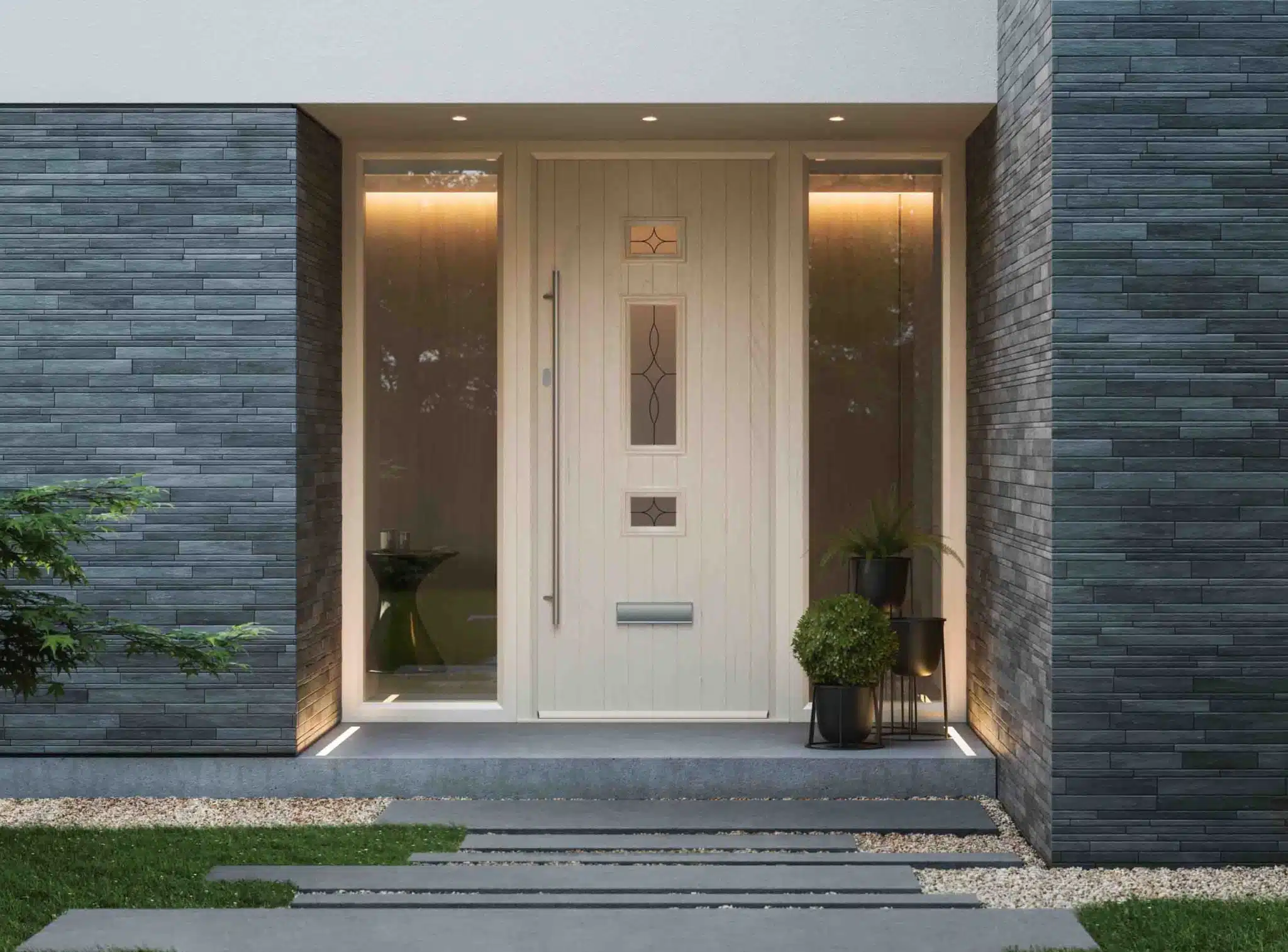
Daimant composite door, contact us for a free survey
Ready to transform your home?
Free home survey, fixed written quote, no obligation
Book a Free Survey

Family-run installer of windows, doors and conservatories across Caerphilly and Cardiff. FENSA registered, IWA deposit protected, 30+ years fitting quality glazing.

Mon to Fri, 9:00am to 4:30pm
029 2002 3280
Caerphilly Showroom, Wales
FENSA Registered
Certificate on every job
IWA Deposit Protection
Insurance-backed guarantee
Free Written Quote
No charge, no obligation
Family Run
30+ years, Caerphilly based
10-Year Guarantee
On every installation
Call Now
Call 029 2002 3280Book a free survey