Flush sash windows fitted by Daimant in South Wales
Flush face — reads as timber
A-rated energy performance
PAS 24 security standard
FENSA registered installer
Heritage uPVC · Cardiff, Caerphilly & Penarth

Flush Sash Windows in
South Wales —
Sleek, Stylish, Secure

Get the traditional timber look with the performance of modern uPVC. Our flush sash windows are designed for style, energy efficiency, and long-term durability across Cardiff, Newport, Caerphilly, and South Wales.

Caerphilly Showroom
Conservation area advice included
Fixed written quote
Flush face
Reads as timber from the street
A-rated
1.2–1.4 W/m²K U-value
PAS 24
Enhanced security standard
Free Survey
Samples & conservation advice
FENSA
Registered installer
About This Page

Flush sash windows give you the flat, level timber look that conservation officers accept, at the price and performance of modern uPVC. The sash sits flush inside the frame rather than sitting proud of it, so the finished window reads like a period timber casement from the street while still hitting an A energy rating and PAS 24 security. We fit them every week across Caerphilly, Cardiff and Penarth, and this page already ranks near the top for flush sash searches in this area, so you have landed in the right place.

If you own a cottage, a barn conversion, a Victorian or Edwardian home, or a house inside a conservation area, this is usually the window you want. Below we explain how a flush casement differs from a standard casement, why the finish looks like painted timber, what colours suit heritage streets, and what you can expect to pay. Ready to move quickly? You can book a free survey and we will bring samples to your door.

Key Takeaways
  • The sash closes flush with the outer frame, copying a traditional timber casement rather than the stepped look of a standard uPVC window.
  • Woodgrain foils and heritage colours such as Chartwell Green and Agate Grey pass muster in most conservation areas across Cardiff and Caerphilly.
  • You still get A-rated thermal performance, warm-edge spacers and PAS 24 tested security, so heritage looks do not cost you warmth or safety.
  • Flush sash costs a little more than a standard casement, but far less than genuine timber, and it never needs repainting.
  • Mechanically jointed corners avoid the welded weld line, sharpening the timber illusion up close.
  • We survey and fit across Caerphilly, Cardiff, Penarth and the wider Vale, and can advise on conservation area rules before you commit.
Free — No Obligation
See the timber look in person

We will bring flush sash samples and heritage colour swatches to your home and measure up for a fixed quote at no cost.

Flush vs Standard
Flush face

Sash and frame sit in one plane, like traditional timber. No shadow line.

Standard casement

Sash steps forward of the frame — modern profile with a visible shadow line.

Both A-rated & PAS 24

The choice is about looks and conservation rules, not warmth or security.

Cross-section profile
FLUSH
Flush Sash
One flat plane
STEPS OUT
Standard
Sash proud of frame
What is a Flush Sash?

What is a flush sash window, and how is it different?

Answer

A flush sash window is a casement where the opening sash sits level with the surrounding frame when closed, giving a single flat plane across the whole window. A standard casement sits proud, so the opening part steps forward of the frame and casts a shadow line. That step is the giveaway that says modern plastic. Remove it and the eye reads the window as a painted timber casement, which is exactly the look older houses were built with.

The difference sounds small, but on a period elevation it is the whole game. Timber joinery from the Victorian and Edwardian era, and the simple cottage casements before it, were made flush because that is how the joinery went together. Copying that flat face is what lets a modern, warm, secure window sit on a heritage street without jarring.

Where the flat face matters most

On a plain postwar semi, a standard casement looks perfectly at home and saves you money. On a stone cottage, a bay-fronted Victorian terrace, or anything inside a designated area, the flush profile is worth the small premium because it is the detail planners and neighbours notice first. If you are still weighing profiles, our guide to casement windows sets out the standard option side by side.

The Timber Illusion

Do flush sash windows really look like timber?

Answer

Up close, yes, and from the pavement it is very hard to tell them apart from freshly painted wood. Three things create the illusion. First is the flush face already described. Second is the surface: a woodgrain foil pressed into the frame gives a soft grain and a matt, painted sheen rather than the shiny white of old plastic. Third is the corner joint.

Most uPVC windows are welded at the corners, which leaves a faint rounded weld line across the mitre. A flush sash uses a mechanical joint at the corners instead, so the frame meets in a crisp, straight line just like a mortice and tenon timber joint. That single detail is often what convinces a doubter when they run a finger along the corner.

The mechanical joint

The mechanically jointed corner is not just cosmetic. It squares the frame precisely and mirrors the way a joiner would have cut and pinned a timber casement. Combined with slim sightlines, it keeps the frame looking slender rather than chunky, which is the other tell that separates a heritage window from a bulky modern one.

Three things that create the illusion
First
The flush face

Sash and frame in one flat plane — no stepped shadow line to break the timber illusion from the street.

Second
Woodgrain foil surface

Soft grain texture and a matt, painted sheen pressed into the frame — not the shiny white of old plastic.

Third
Mechanical corner joint

Crisp straight mitre — not a rounded welded weld line. The detail that convinces a doubter close-up.

Corner joint comparison
Mechanical joint Crisp straight mitre — mirrors a mortice and tenon timber corner
Welded joint (standard uPVC) Faint rounded weld line visible across the mitre — the modern plastic tell
Conservation Areas

Are flush sash windows accepted in conservation areas?

Answer

In most cases, yes, and this is the main reason homeowners choose them. Conservation officers care about how a street looks: the flat face, slim frames, the right colour and the way the window sits in the reveal. A quality flush sash in a heritage colour ticks those boxes, which is why so many Cardiff and Caerphilly homes inside designated areas now carry them.

Rules vary by street, so we always check before we quote. A conservation area does not automatically ban uPVC, but some are covered by an Article 4 direction that removes permitted development rights, which can mean you need consent for a change of material or appearance. If your home is listed, that is a separate and stricter matter and usually calls for timber or an approved alternative agreed with the council.

We check the rules first

During your free survey we will tell you which category your home falls into and what the local planning position is likely to be, so you never order windows you cannot legally fit. If your property needs the deeper vertical look instead, our sliding sash windows page covers the box sash alternative that some officers prefer on taller Victorian frontages.

Flush sash windows in a Cardiff conservation area fitted by Daimant
Cardiff
Conservation area Flush sash in a heritage colour is often accepted
Often accepted
Article 4 direction You may need planning consent even for like-for-like changes
Check first
Listed building Listed building consent required — timber usually preferred
Stricter rules
Heritage colour palette
Chartwell Green
Soft sage — the classic conservation choice
Most requested
Agate Grey
Gentle warm grey — works on render and stone
Most requested
Cream / Off White
Warmer than white — traditional look on brick and timber
Classic
Anthracite Grey
Contemporary depth — suits painted Victorian brick
Popular
Painswick
Pale limestone grey — period Cotswold feel
Heritage
Heritage blues & greens
Dark period tones — available in several shades
Available
Heritage flush sash windows in a period colour on a South Wales home
Colours & Finishes

What colours and finishes suit a heritage home?

Answer

Colour is where a flush sash earns its keep on an older house. The heritage shades that planners favour are muted and slightly greyed rather than bright, so they echo the traditional lead and oil paints of the period. Chartwell Green and Agate Grey are the two most requested, and both sit beautifully against stone, render and red brick.

You are not limited to those two. Cream, off white, Anthracite Grey, Painswick and dark heritage blues and greens are all available as woodgrain foils, and you can specify a different colour inside and out. A common choice on a period home is a heritage colour outside with a warm white inside, so the street sees the traditional shade while your rooms stay light.

Dual colour — outside & inside
Heritage shade outside, white inside The street sees the traditional colour; your rooms keep a clean white reveal. No loss of performance or warranty.
Performance

Are they warm and secure, or do looks cost performance?

Answer

You do not trade warmth or safety for the timber look. A Daimant flush sash reaches an A Window Energy Rating with a sealed double glazed unit, a warm-edge spacer bar, argon gas fill and a low emissivity coating, giving a whole window U-value around 1.2 to 1.4 W/m²K. That is a world away from the single glazing many period homes still have, which sits nearer 5.0, and it meets Part L of the current Building Regulations.

Security is built in, not added on. The frames are tested to PAS 24, the standard insurers and Secured by Design look for, and they carry multi-point locking, internal beading so the glass cannot be levered out from outside, and toughened or laminated glass options on ground floor and accessible windows. Every window we fit is FENSA registered, so your certificate is handled for you.

The EPC angle

Swapping single glazing or tired 1990s units for A-rated glass usually nudges your EPC in the right direction and cuts draughts and condensation, which matters if you plan to sell or let. If lowering heating bills is your main driver rather than looks, compare the numbers on our windows hub before you decide on a profile.

Performance specification
Whole-window U-value
1.2–1.4
W/m²K — glass and frame together
A-rated — meets Part L Building Regulations
Warm-edge spacer bar Cuts cold bridging at the glass edge where condensation starts
Argon gas fill Slows heat movement across the sealed unit cavity
PAS 24 tested hardware Multi-point locking, internal beading — standard insurers require
Low-emissivity coating Reflects room warmth in, lets solar heat through
Laminated or toughened glass Available on ground floor and accessible windows
FENSA registered — certificate handled for you Every window is certified against Building Regulations and registered without you needing separate council sign-off.
Comparison

Flush sash versus standard casement: which should you choose?

Answer

The honest answer depends on your house and your budget. A standard casement is the value choice and looks right on most modern and postwar homes. A flush sash is the heritage choice: pick it when the flat timber face genuinely matters, which usually means an older property, a character street, or a conservation area.

Heritage choice
Flush Sash

Period homes, conservation areas, character streets

The flush sash costs a little more because of the flush profile and the mechanical joints, and it rewards you with a finish that a standard casement cannot match.

Choose flush sash if
You own a cottage, Victorian, Edwardian or period home
Your property is in or near a conservation area
The flat timber face will be seen from the street
A planner or conservation officer is involved
Heritage look, small premium
Value choice
Standard Casement

Modern homes, postwar semis, tighter budgets

A standard casement looks right on most modern and postwar homes. If the flat face will not be seen or does not matter to you, the standard casement is the sensible spend.

Choose standard casement if
Your home is modern, postwar or a 1930s semi
You want maximum value for the energy saving
The stepped profile is not visible or does not matter
No conservation area rules apply to your street
Better value, same performance
Choose flush sash for cottages, period homes and conservation areas.
Choose standard casement for modern homes and tighter budgets.
Thermal and security are effectively the same; the difference is the look and a small price gap.
Guide Price 2026

How much do flush sash windows cost in South Wales?

Answer

As a guide, expect flush sash windows from around 650 to 1,100 pounds per window supplied and fitted in 2026, depending on size, colour, glass specification and how many you order together. Heritage colours, dual colour finishes, astragal or Georgian bar detailing and toughened glass all move the figure up. Ordering a whole elevation at once is usually better value than replacing windows one at a time.

That premium over a standard casement is real but modest, and it is a fraction of what genuine timber costs to buy and then to repaint every few years. A flush sash never needs sanding or painting; a wipe with a damp cloth keeps it looking new. We give you a fixed written quote after the survey with no pressure and no invented discounts.

What changes the price

Window size, the number of opening sashes, the colour inside and out, the glass unit, decorative bars and any access or scaffolding needs all affect the total. We set all of this out clearly so you can see where your money goes and adjust the specification if you want to.

2026 guide & value
Flush sash — supplied & fitted
£650–£1,100
per window, South Wales 2026
Heritage colours, dual finish, astragal bars and toughened glass at the upper end. Whole elevation orders better value per window.
Relative cost — flush sash vs timber
Timber
Highest
Flush sash
Mid
Casement
Lower
Fixed written quote after the survey No pressure and no invented discounts. Every line itemised so you can adjust the specification if you want to.
Real Projects

Worked Examples

A Caerphilly conservation area cottage and an Edwardian bay in Penarth.

Flush sash windows in Chartwell Green fitted by Daimant near Caerphilly castle
Caerphilly conservation area
Conservation area — Chartwell Green

A stone cottage in a Caerphilly conservation area

A couple near the castle in Caerphilly had a row of tired timber casements that had rotted at the sills and were letting in draughts. Their street sits inside a conservation area, so bright white plastic was a non-starter. We surveyed the property, confirmed there was no Article 4 restriction on that terrace, and specified flush sash windows in Chartwell Green with mechanical joints and slim sightlines.

From across the road the new windows read as freshly painted timber, which kept the neighbours and the council content. Inside, the owners went from single glazing near 5.0 W/m²K to A-rated units around 1.2, so the front rooms stopped feeling cold by the glass and the winter condensation disappeared. No repainting will ever be needed.

Chartwell Green
Heritage colour
5.0 → 1.2
W/m²K U-value
No Article 4
Confirmed on survey

Reads as freshly painted timber from across the road. Front rooms warm. Condensation gone. No repainting ever needed.

Conservation controls — Agate Grey

An Edwardian bay in Penarth

A family in Penarth wanted to keep the character of their Edwardian bay but were tired of sticking sashes and flaking paint. We fitted flush sash windows in Agate Grey outside with a warm white inside, matching the original glazing pattern with astragal bars across the bay. The flat face and mechanical corners preserved the period look that makes the street.

Because Penarth has streets covered by conservation controls, we confirmed the colour and detailing were appropriate before ordering. The result kept the home in keeping with its neighbours while cutting draughts and lifting security to PAS 24, and the family have not touched a paintbrush since. If a taller box sash suits your frontage better, our Caerphilly and Cardiff teams can show you both options on site.

Agate Grey
Outside colour
Astragal bars
Period pattern kept
PAS 24
Security standard

Period look preserved. Conservation-confirmed before ordering. Draughts gone, security to PAS 24. No paintbrush touched since.
Flush sash windows in Agate Grey fitted by Daimant in Penarth
Penarth
FAQs

Frequently asked questions

Common questions about cost, conservation areas, the timber illusion, colours, warmth and coverage across Cardiff, Caerphilly and Penarth.

8 Questions answered
Yes, but only by a modest amount. The flush profile and mechanical corner joints cost a little more to make, so expect a small premium over a standard casement. Against genuine timber the saving is large, especially once you factor in that a flush sash never needs repainting.
In most conservation areas a quality flush sash in a heritage colour is accepted because it copies the flat timber face planners look for. Some streets carry an Article 4 direction that means you need consent first, and listed buildings are stricter. We check the position for your address before you order.
From the street they are very convincing, and up close the woodgrain foil, matt finish and crisp mechanical corner joints hold the illusion. The flush face removes the stepped shadow line that usually gives modern windows away.
Heritage shades such as Chartwell Green and Agate Grey are the most popular, alongside cream, Anthracite Grey, Painswick and dark blues and greens. You can have one colour outside and another inside, for example a heritage shade externally with warm white internally.
Yes. They reach an A Window Energy Rating with warm-edge spacers, argon fill and low-E glass, giving a whole window U-value around 1.2 to 1.4 W/m²K. That is a major improvement on single glazing and meets current Part L requirements.
They are tested to PAS 24 and fitted with multi-point locking and internal beading so the glass cannot be prised out from outside. Toughened or laminated glass is available on ground floor and accessible windows, and every fit is FENSA registered.
Yes. Astragal bars sit on the glass to mimic individual panes, and other bar patterns are available to match an original window. We copy the existing glazing pattern where a conservation area or the look of the house calls for it.
We do. We survey and fit flush sash windows across Cardiff, Caerphilly, Penarth and the wider Vale from our Caerphilly base, and we can advise on local conservation rules as part of your free survey.
Free — No Obligation

Get the timber look without the upkeep

Book a free home survey and we will bring flush sash samples, check any conservation rules for your street and give you a fixed written quote across Cardiff, Caerphilly and Penarth.

Book a Free Survey

Fill in the form and we will be in touch to arrange a visit — no charge, no obligation.

Phone: 029 2002 3280

Mon–Fri 9:00am–4:30pm

Free survey & quoteNo charge, no obligation
FENSA registeredCertificate on every installation
IWA deposit protectionInsurance-backed guarantee
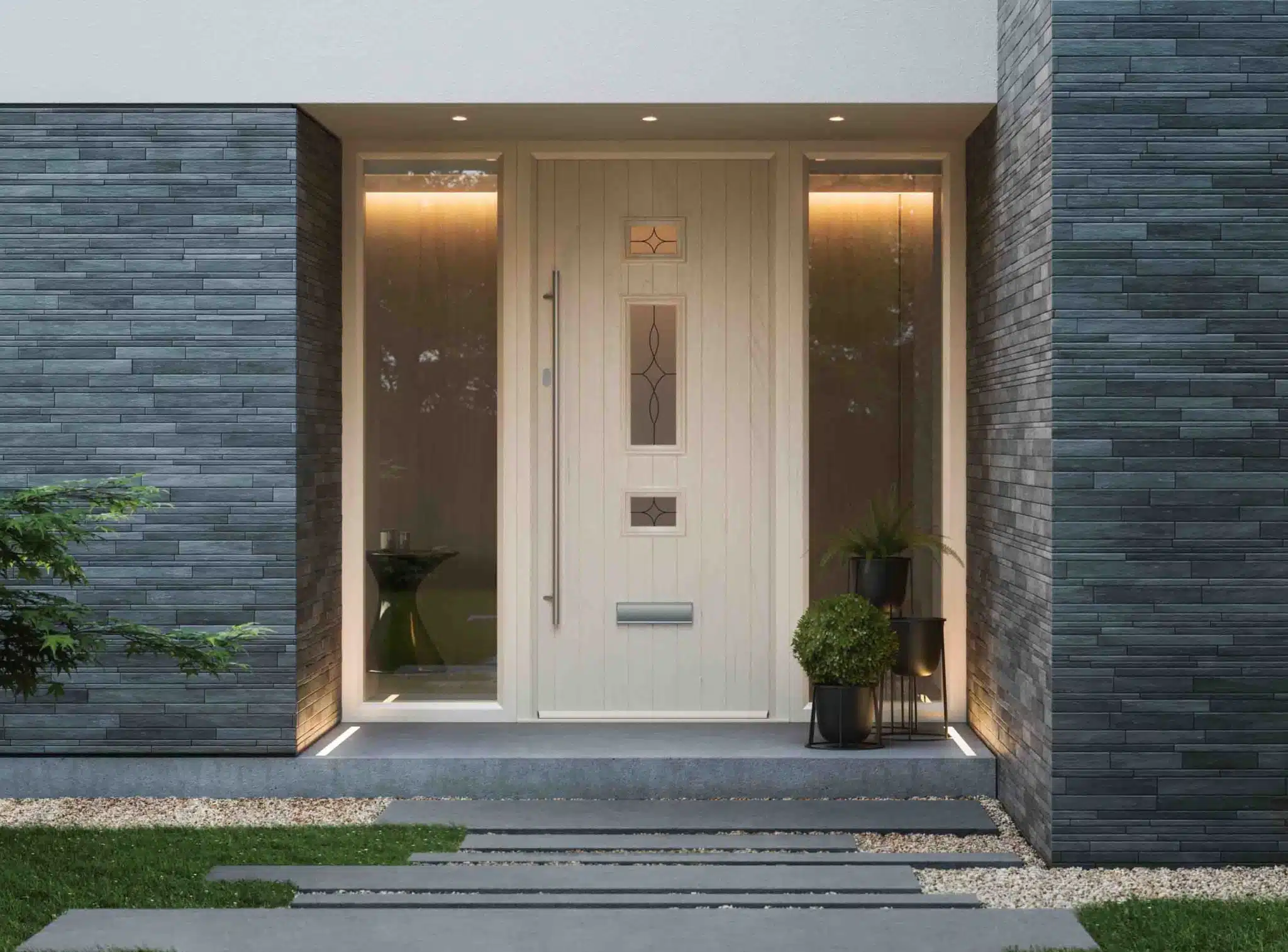
Daimant composite door — contact us for a free survey
Ready to transform your home?
Free home survey — fixed written quote — no obligation
Book a Free Survey

Family-run installer of windows, doors and conservatories across Caerphilly, Cardiff and South Wales. FENSA registered, IWA deposit protected, 30+ years fitting quality glazing.

Mon–Fri 9:00am–4:30pm
029 2002 3280
Caerphilly Showroom, South Wales
FENSA Registered
Certificate on every job
IWA Deposit Protection
Insurance-backed guarantee
Free Written Quote
No charge, no obligation
Family Run
30+ years, Caerphilly based
10-Year Guarantee
On every installation
Call Now