
Casement Windows for
South Wales Homes —
Secure, Energy Efficient,
Stylish
Secure, energy-efficient and made to measure — trusted by homeowners across Cardiff, Newport, and Caerphilly.
New A-rated casement windows cut the heat your home loses through the glass and frames, which shows up as a warmer house, smaller heating bills and a better EPC score. Swapping tired single or early double glazing for a modern sealed unit typically takes a window from a U-value near 5.0 down to around 1.2 W/m²K, and that is the change your energy assessor rewards.
We fit A and A-plus rated casement windows across Cardiff, Caerphilly and the valleys, with warm-edge spacers, argon-filled units and low-emissivity glass as standard. This page explains what those ratings mean, how much heat old windows really lose, and what a replacement does for your EPC, your comfort and your condensation. If you want the wider range first, see our windows hub.
- 1 A-rated casement windows slash heat loss compared with single glazing and 1990s double glazing.
- 2 U-values fall from roughly 5.0 for old single glazing to about 1.2 for our A-rated units.
- 3 Replacing all the windows can lift an EPC by several points, which helps at sale or remortgage.
- 4 Warm-edge spacers, argon and low-emissivity glass are the three things that make a window warm.
- 5 Modern units cut condensation and draughts and are built to a PAS 24 security standard.
- 6 Every replacement is FENSA registered and meets the Part L 2022 energy rules.
Book a free home survey and we will measure your windows and confirm the U-value and rating you can reach.

Will new casement windows improve my EPC rating?
Yes. Windows are one of the categories an EPC assessor scores directly, and moving from single glazing or old double glazing to modern A-rated units usually lifts the rating by several points. On a typical three-bed house in Cardiff suburbs like Llanishen or Rhiwbina, replacing every window is one of the more reliable ways to nudge an EPC from a D up towards a C, which matters at sale and for some mortgage products.
The gain comes from two things the assessor looks at: the U-value of the glazing and how well the whole window keeps warmth in. Our A-rated casements are designed to hit both, so the improvement is measurable rather than a vague promise. On the survey we can tell you the rating your specific openings will reach.
How much heat do old windows actually lose?
More than most people expect, and the numbers make it plain. U-value measures how fast heat escapes through a square metre of window, so a lower figure is better. Here is how the generations compare.
Rooms hold their warmth for longer after the heating goes off, and the boiler works less to keep them there.
Windows are only part of a home's heat loss, so no honest installer will promise an exact pound figure. What is defensible is the physics: cutting the window U-value from about 5.0 to about 1.2 removes a large, constant drain on the heating, and households across Caerphilly who have done the whole house consistently report a warmer home that costs less to keep that way.
Heat pours out and the glass runs cold and wet in winter.
Better, but sealed units and spacers are dated and the gas fill has often gone.
Roughly four times less heat loss than single glazing, well under half of early double glazing.
What is a Window Energy Rating, and what does A or A-plus mean?
The Window Energy Rating, or WER, is a single letter grade from a colour-coded scale, much like the label on a fridge. It rolls together how much heat the window loses, how much free solar warmth it lets in and how much air leaks around it, into one rating from the top band down. A-rated is the standard we fit as a baseline, and A-plus is available where you want the best.
A rating is a useful shorthand, but the U-value is the number that goes on your paperwork and into the EPC calculation, so we quote both. An A-rated casement will comfortably meet the Part L 2022 requirement for replacement windows, which is where the legal minimum now sits.
Our baseline. Meets Part L 2022 comfortably. Whole-window U-value around 1.2 W/m²K.
Available where you want the maximum. Lower U-value still, best for north-facing rooms.
What makes a Daimant casement window warm?
Three things do the heavy lifting, and they are worth knowing because cheaper windows cut corners on exactly these.
This is the strip around the perimeter of the sealed unit that holds the two panes apart. Old windows used an aluminium spacer that conducts cold straight to the inner pane, which is why the edges of old double glazing mist up first. A warm-edge spacer is a low-conductivity material that keeps the glass edge warmer and dryer.
The gap between the panes is filled with argon, a harmless inert gas that is denser than air and slows heat moving across the cavity.
A microscopically thin metal-oxide layer on the glass that reflects warmth back into the room while still letting light and free solar heat in.
All three can be A-rated. A standard casement is the workhorse for most Cardiff and Caerphilly homes. For a heritage look that sits level with the frame, see our flush sash windows, and for flats or upstairs rooms you want to clean from inside, our tilt & turn windows are worth a look.
Low-conductivity perimeter strip keeps the glass edge warm and dry — where old aluminium spacers caused cold bridging and edge condensation.
Dense inert gas between the panes slows heat transfer across the cavity better than air alone.
Microscopically thin metal-oxide layer reflects room warmth back in while letting light and free solar heat through.
Modern gaskets and multi-point locking seal the gaps a worn frame leaves. The whistling stops and the room holds warmth.
Immediate fixWarm-edge, argon-filled units keep the inner pane above the dew point so morning misting on the glass disappears.
Warmer inner paneWe fit trickle vents as required under current ventilation rules — moist air has a controlled route out so the room breathes without you opening a window in January.
Will new windows stop condensation and draughts?
Draughts, yes, directly. A new casement seals against modern gaskets and closes on multi-point locking, so the whistling gaps around a worn old window disappear. That alone makes a noticeable difference to how warm a room feels, because a draught carries heat away even when the air temperature reads fine.
Condensation is more nuanced. The misting you get on the inside of old glass happens because the cold inner pane drops below the dew point and moisture in the room air condenses on it. A warm-edge, argon-filled unit keeps the inner glass much warmer, so that internal condensation largely stops. We fit trickle vents, now required under the ventilation rules, so moist air has a controlled way out and the room breathes without you opening a window in January.

How secure are casement windows?
Security is built into the frame, not bolted on afterwards. Our casements run on multi-point espagnolette locks that engage at several points around the sash when you turn the handle, with the key locking handles, and the hardware is designed and tested to the PAS 24 enhanced security standard that insurers and the building rules look for.
Where a window is at ground level or on an accessible flat roof, we can specify laminated glass so the pane holds together if attacked. Combined with the multi-point locks, that removes the easy points of entry that older windows left open.
What colours, woodgrains and styles can I choose?
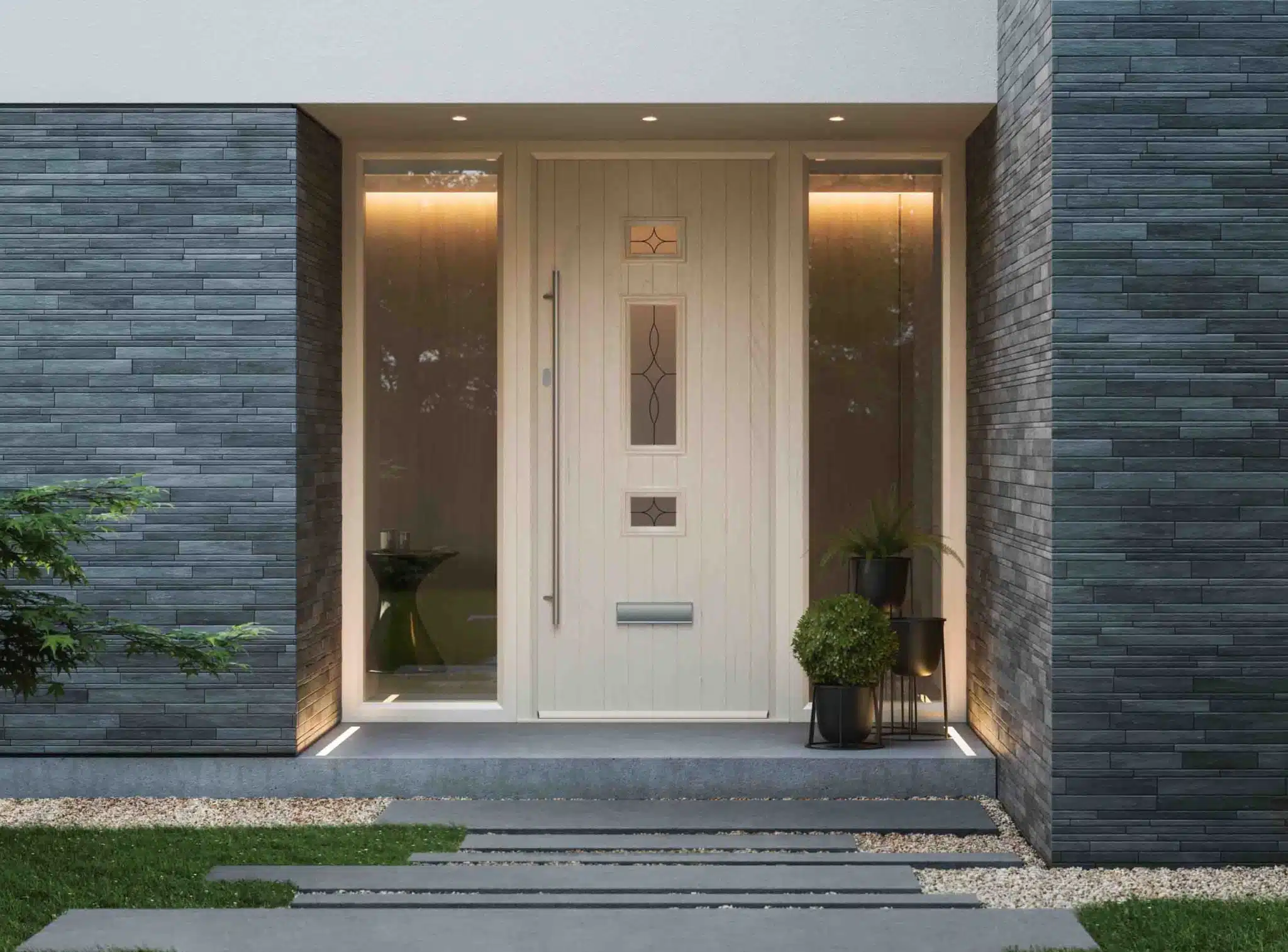
Plenty, and the finish is foiled onto the frame rather than painted, so it will not flake or need repainting. Alongside white, the popular choices in Cardiff and the valleys are anthracite grey, cream, and woodgrain foils such as light oak and rosewood for a timber look without the maintenance. You can have a different colour inside and out, so grey to the street and white to the room is a common pick.
On style, you choose the number of opening lights, the position of the handles, whether you want dummy or working astragal bars for a Georgian look, and the glass, from obscure patterns for bathrooms to laminated glass for security. The conservatories and doors we fit can be matched to the same colour so the whole elevation reads as one job.

How much do casement windows cost, and how long do they last?
As a 2026 guide, a fitted A-rated uPVC casement window runs from around 450 to 750 pounds each, depending on size, the number of opening lights, colour and glass specification, with whole-house prices falling on a per-window basis the more you do at once. Woodgrain foils, triple glazing and laminated glass sit at the upper end. These are guide bands, and the accurate figure comes from a free home survey.
A well-made uPVC casement should give you 20 years or more of service, and the sealed units carry their own guarantee against misting. Our work is FENSA registered, so each replacement is certified against the building regulations and logged without you chasing the council, and it comes with an insurance-backed guarantee. We have fitted windows across Caerphilly and Cardiff for over 30 years, from Whitchurch and Rhiwbina to Bargoed and Ystrad Mynach.
Years fitting windows across Caerphilly and Cardiff — Whitchurch, Rhiwbina, Bargoed and Ystrad Mynach.
Sealed units guaranteed against misting. A well-made uPVC frame will last 20 years or more.
Certified against Building Regulations, logged — no council chasing needed.
Every install protected by an insurance-backed guarantee on the work.
Over 30 years fitting across Cardiff and the valleys.
What colours and frame finishes can you have on a casement window?
White uPVC is still the most common choice across Cardiff and Caerphilly, but it is a long way from the only one. Woodgrain foils such as Anthracite Grey, Chartwell Green, Cream and Rosewood have become the default on 1930s semis in Rhiwbina and Victorian frontages in Canton, where a flat white frame would look wrong against brick and render. The foil is bonded to the frame, so it does not flake or need repainting the way timber does.
You can also run a different colour outside to inside, so the street sees Anthracite Grey while the room keeps a clean white reveal. If you are matching a run of existing windows, or working to what a conservation officer will accept, bring a photo to the showroom and we will match the frame, the glazing bar and the handle in one go.
Worked Examples
A 1990s semi in Llanishen and a Victorian terrace in Caerphilly — two common South Wales window problems solved.

A 1990s semi in Llanishen
A family in Llanishen, Cardiff, had the original double glazing from when the house was built in the early 1990s. The units had lost their gas fill, several had blown and misted between the panes, and the north-facing bedrooms were cold and prone to condensation on the glass every morning. Their EPC sat at a low D.
We replaced all nine windows with A-rated casements at a U-value around 1.2 W/m²K, warm-edge spacers and argon fills throughout, with trickle vents for controlled ventilation. The morning condensation on the glass stopped, the bedrooms held their heat after the heating clicked off, and on the next assessment the improved glazing was part of a package that moved the EPC up into the C band.
Morning condensation stopped. Bedrooms held heat after heating clicked off. EPC moved from low D into the C band.
A Victorian terrace in Caerphilly
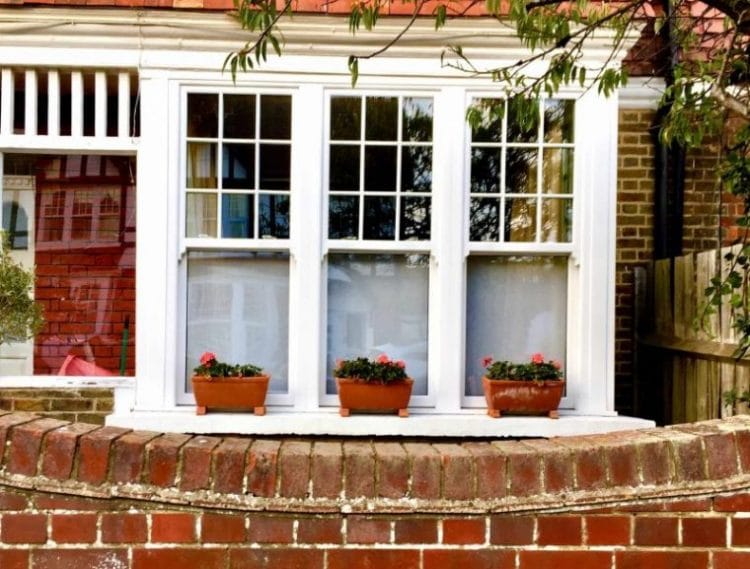
A homeowner in Caerphilly still had single glazing in a bay-fronted Victorian terrace. The glass ran with water in winter, the sash rattled in the wind, and the front room was expensive to heat and never quite warm. The U-value of that old single glazing was around 5.0 W/m²K, so the heat loss through the bay alone was significant.
We fitted A-rated casements with a slim, traditional profile and astragal bars to keep the period look, dropping the window U-value to about 1.2. The draughts from the old sash disappeared behind modern gaskets and multi-point locks, the front room warmed up quickly and held it, and the wet glass each morning became a thing of the past. The whole job was FENSA certified.
Draughts gone. Front room warm and holding heat. Wet glass every morning became a thing of the past. FENSA certified.
Frequently asked questions
Common questions about EPC ratings, U-values, condensation, security, colours and cost across Cardiff and Caerphilly.
Warmer rooms and a better EPC start here
Book a free home survey in Cardiff or Caerphilly and we will measure your windows and quote A-rated casements with the U-value and rating you can reach.

